Suspended Hands: Somatics of Female Care Work
Denmark/Germany/Italy, 2025
Video installation, color, stereo, 16 min.
52 drawings, various size.With the financial support of Behörde für Kultur und Medien Hamburg and ZEIT-Stiftung Ebelin und Gerd Bucerius
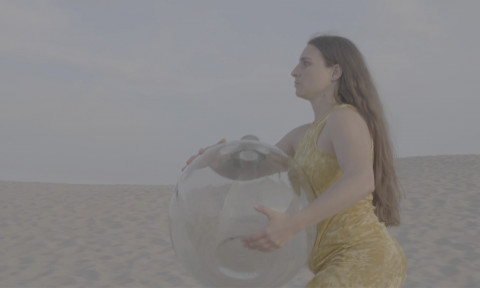
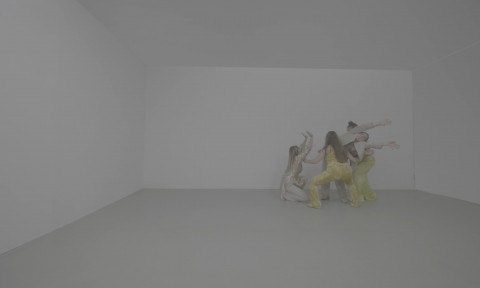
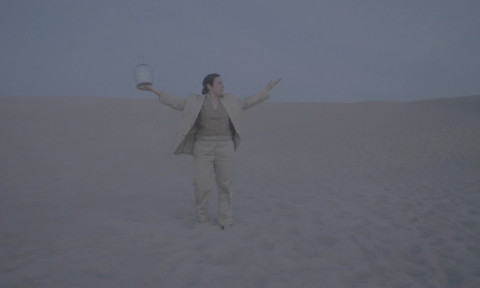
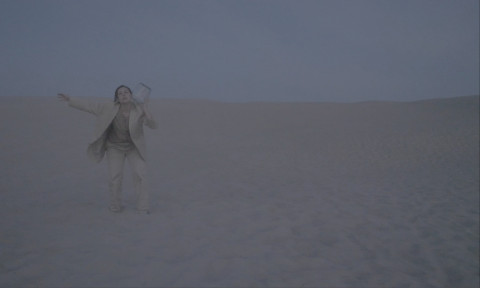
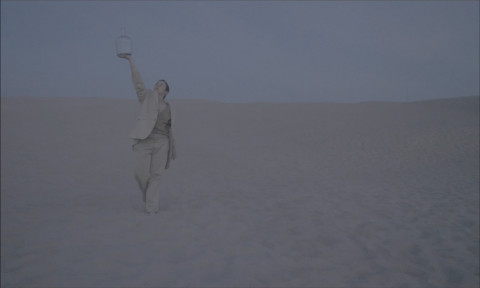
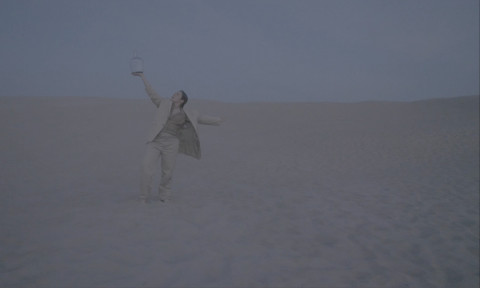
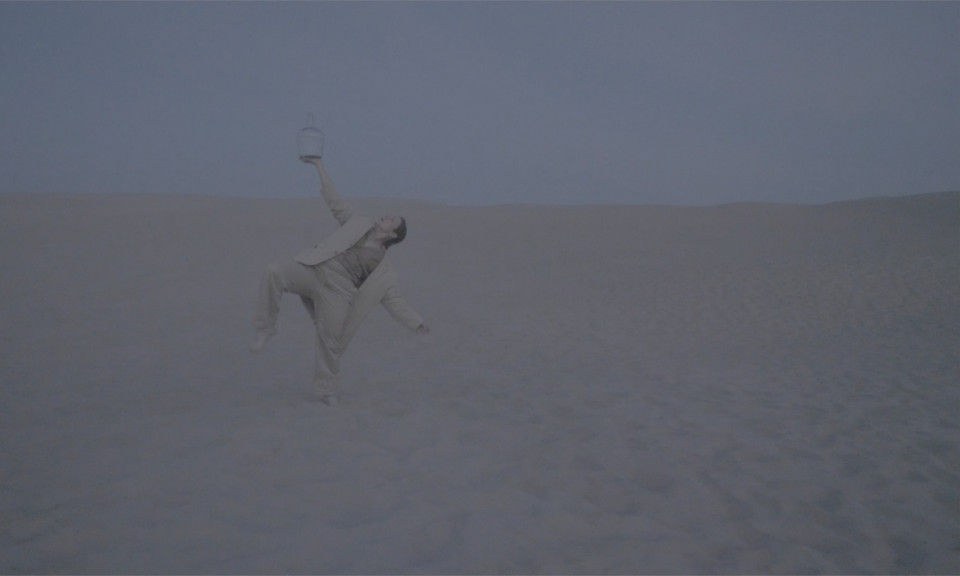
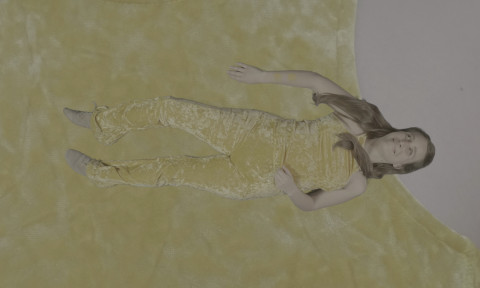
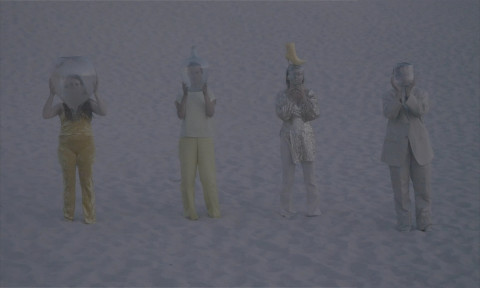
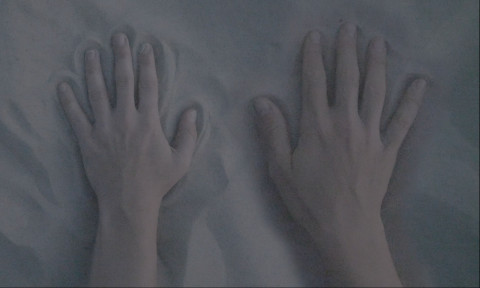
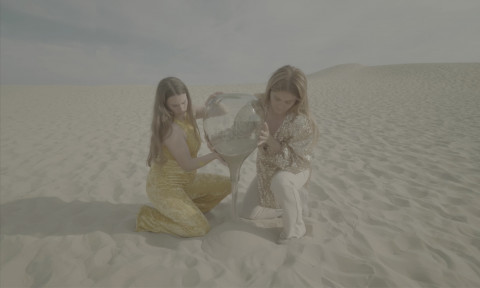
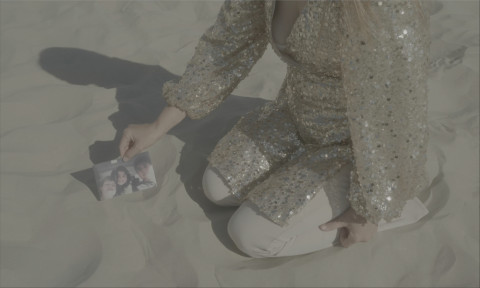
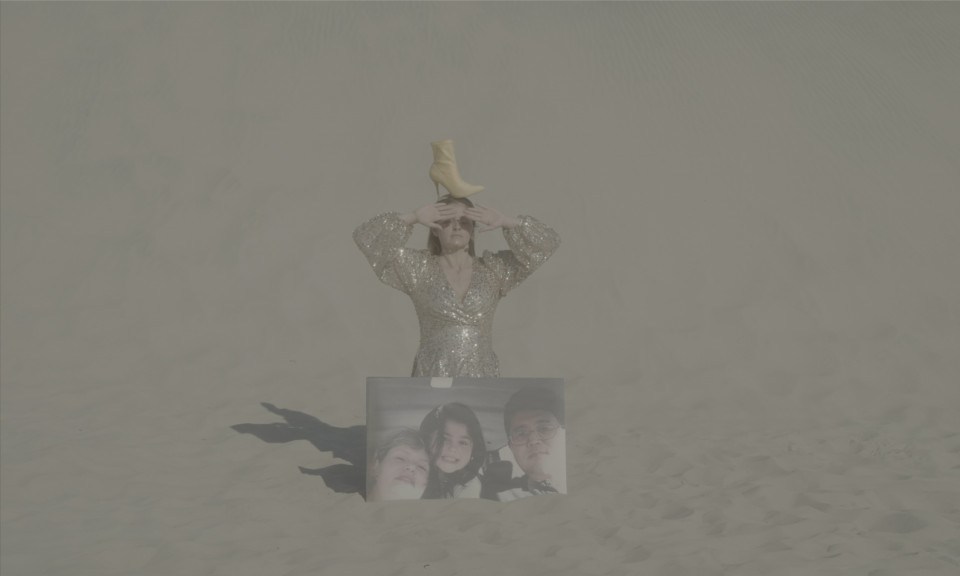
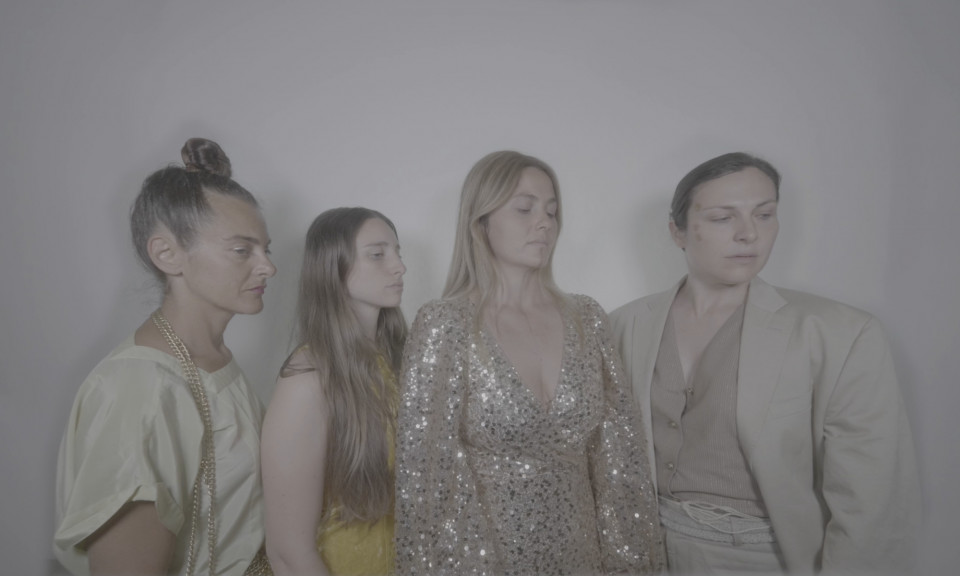
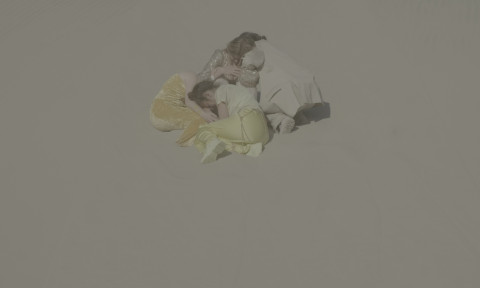
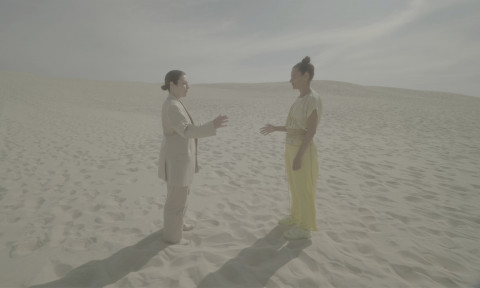
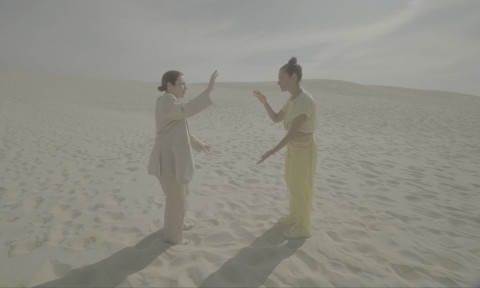
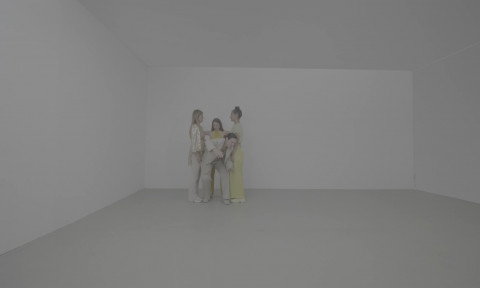
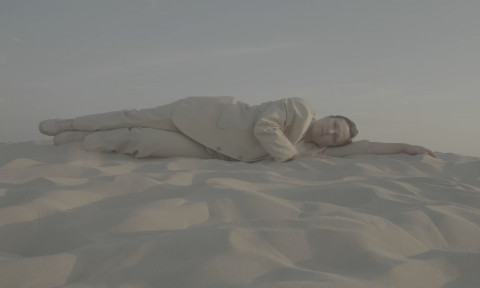
In Lene Markusen's video work Suspended Hands, four women arrive breathless in an empty dunescape and turn it into a space for performative storytelling about their experiences as caregivers. Alongside the services they provide, tailored to the life cycles of others, they perform pantomimic gestures of childcare, household tasks and cleaning work, to physically demanding elderly care. Their hands carry, hold, and nurture along foreign biographies, while their own biographical time is not allowed to unfold and, spatially separated, is only preserved in images of family or friends brought along with them. This reveals transnational realities of life in which care is provided under conditions of absence.
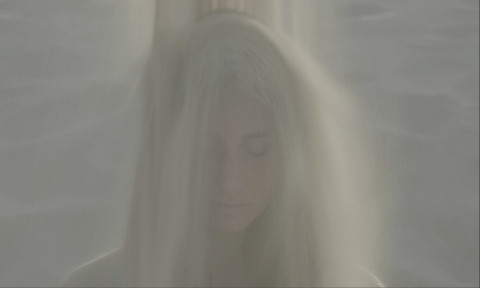
Outsourced care work manifests itself as part of a classicist order and is closely intertwined with the working conditions of migrants. The vast sandy expanse serves as the inner landscape of these conditions. Within it, spatial coordinates dissolve and give way to a feeling of emptiness, in which social belonging, legal security, and temporal self-determination remain fragile. Pushed to the margins of society, unequal power relations create a form of exclusion that is also physically inscribed. These inscriptions become particularly clear in a statement by the female narrator about how the sand always comes along: in shoes, on the skin, in pockets, as something that accumulates and remains behind. The title Suspended Hands accordingly refers to care work as a state in which hands are constantly active without receiving social recognition as subjects.
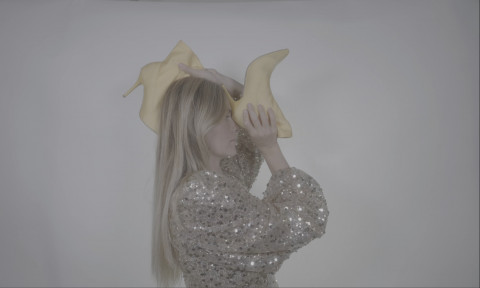
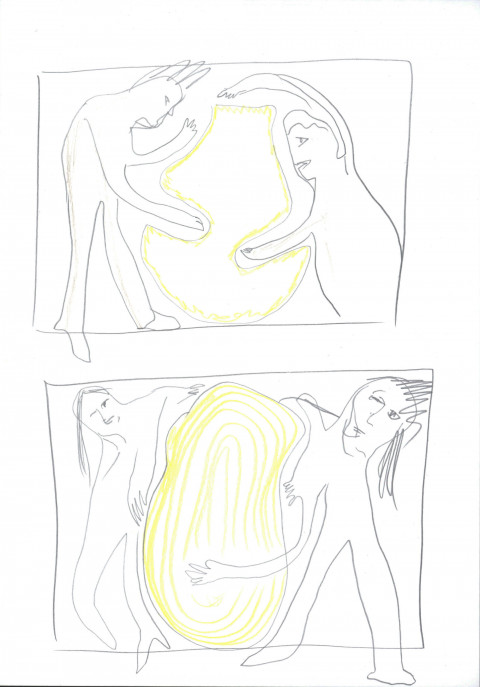
Markusen depicts her characters outside the logic of social hierarchies; their presence is emphasized by velvet, sequins, and suits. The women are accompanied by glass balloons, which represent their inner emotional lives as prosthetic objects. Initially, they function as protective spaces, but in the course of the performance, this purpose changes, and as the women abandon their defensive posture and turn toward each other, they become objects of playful experimentation with social interstices. Interacting with one another, the women move through the sand laughing and chatting, occupying the space as a quartet.
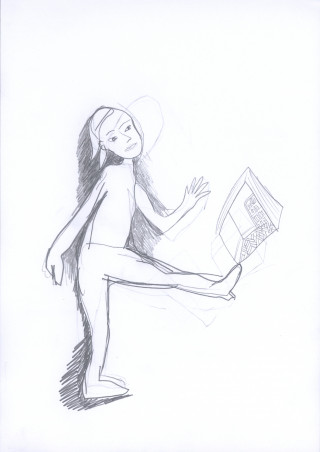
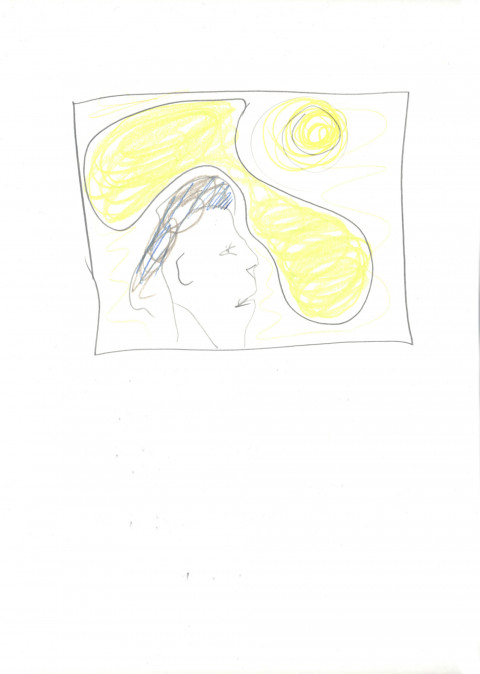
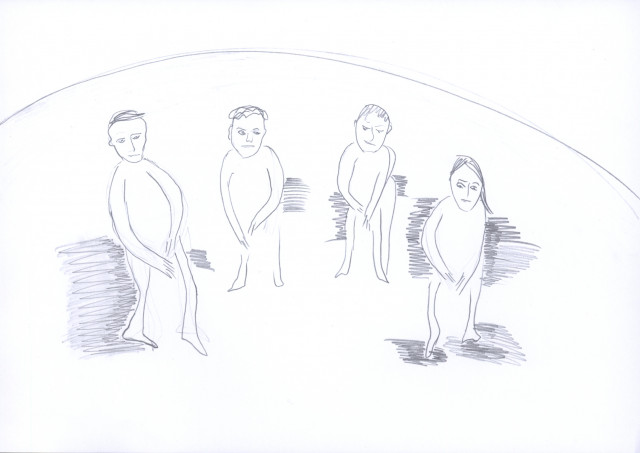
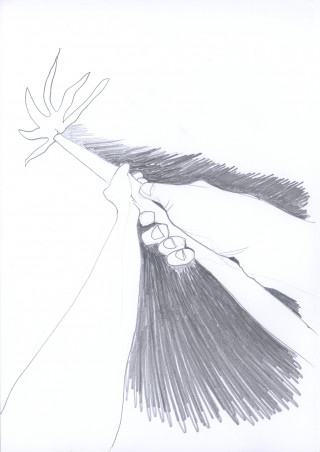
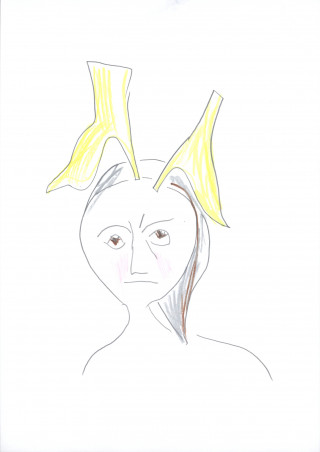
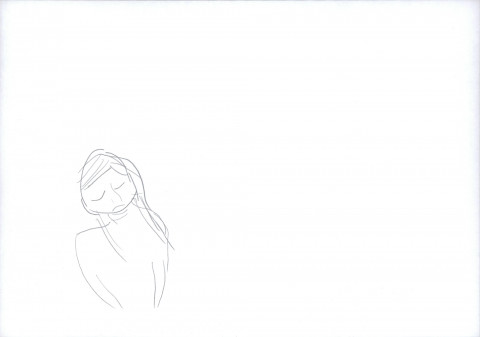
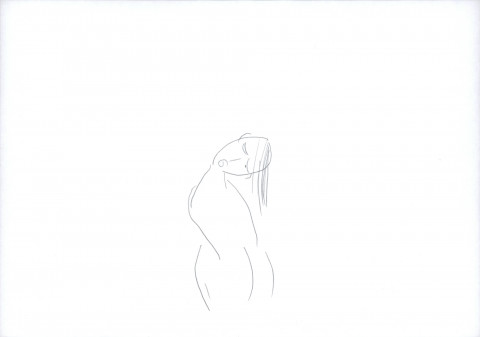
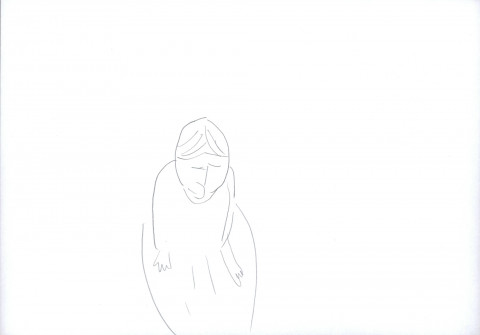
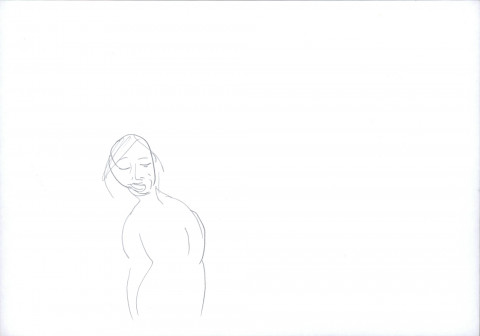
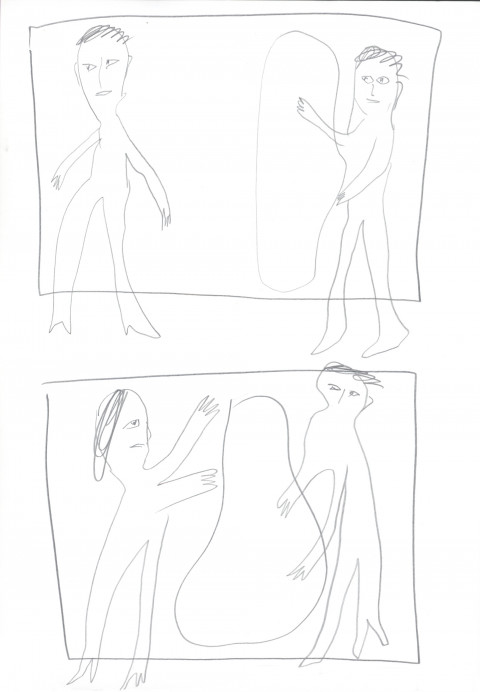
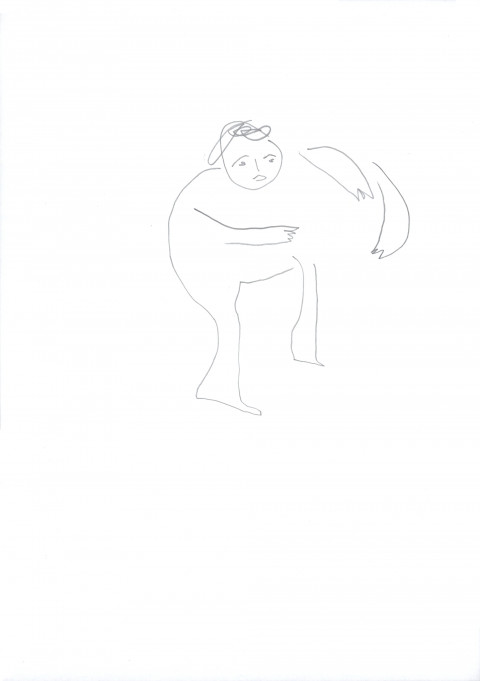
The emancipatory dramaturgy of the performance reflects Markusen's feminist practice, which takes her own multi-layered experiences as a starting point and relates and reformulates them through listening and sharing. Through exchanges with caregivers and the performers, a collective storytelling emerged that makes caregiving understandable as a socially structured practice. The drawings integrated into the plot are part of this methodology and function as open movements of thought that expand spaces for action and change forms.
Agnes Stillger
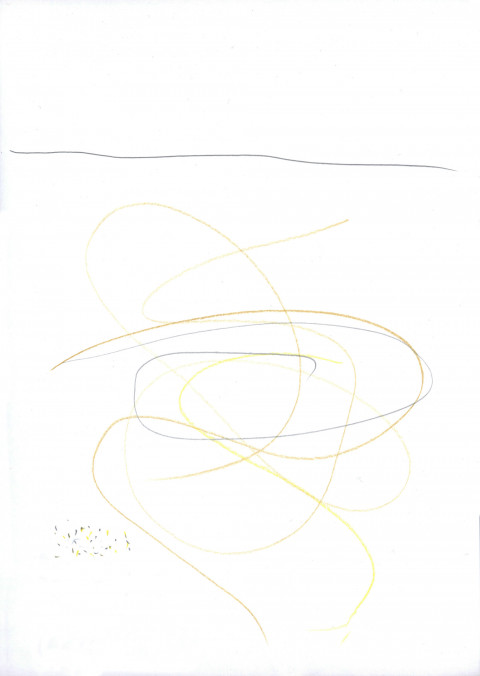

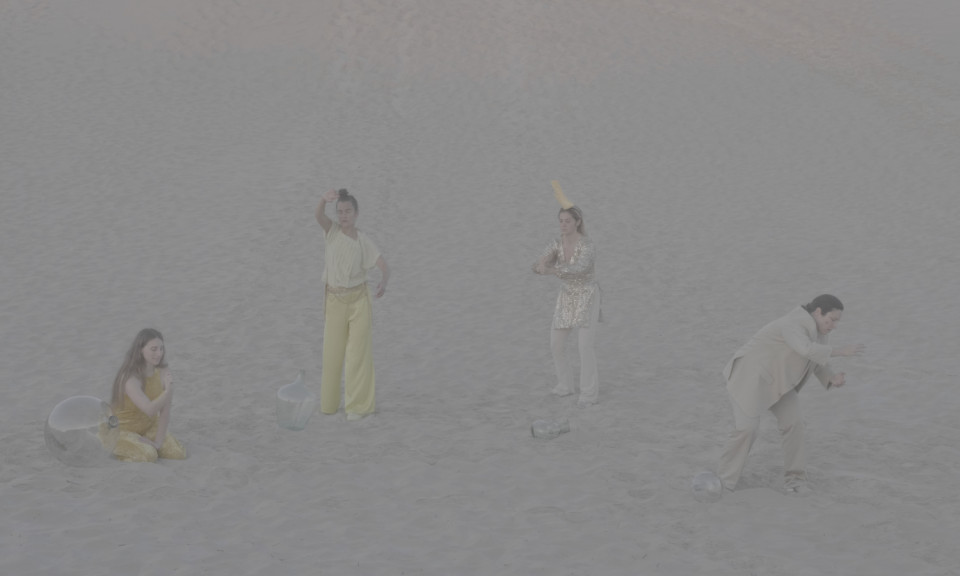
The circle of life: The invisible work of the babysitter, the housemaid, the cleaning lady, and the elderly care helper.
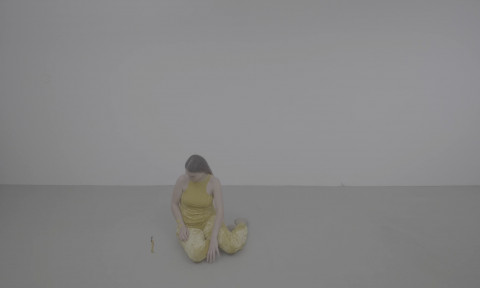

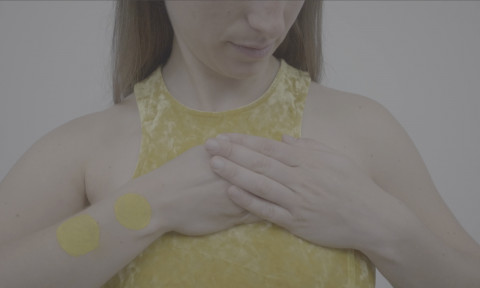


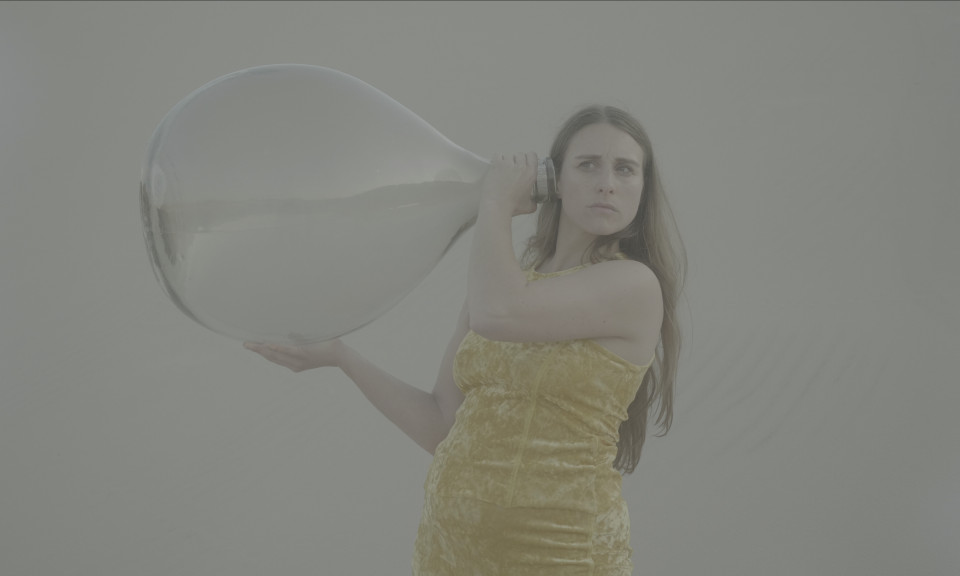
To listen.
What I experienced in isolation can only be told with you.
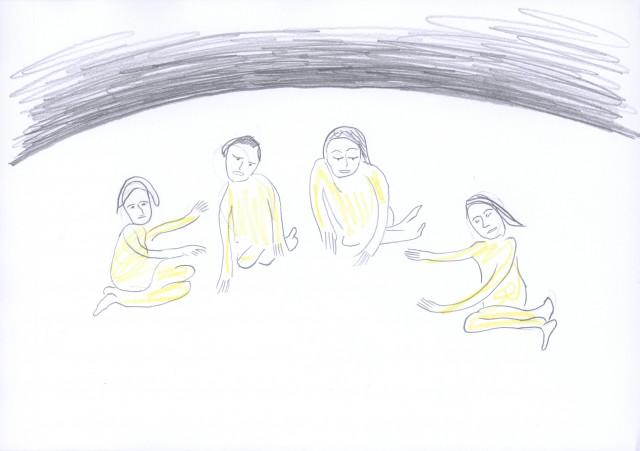





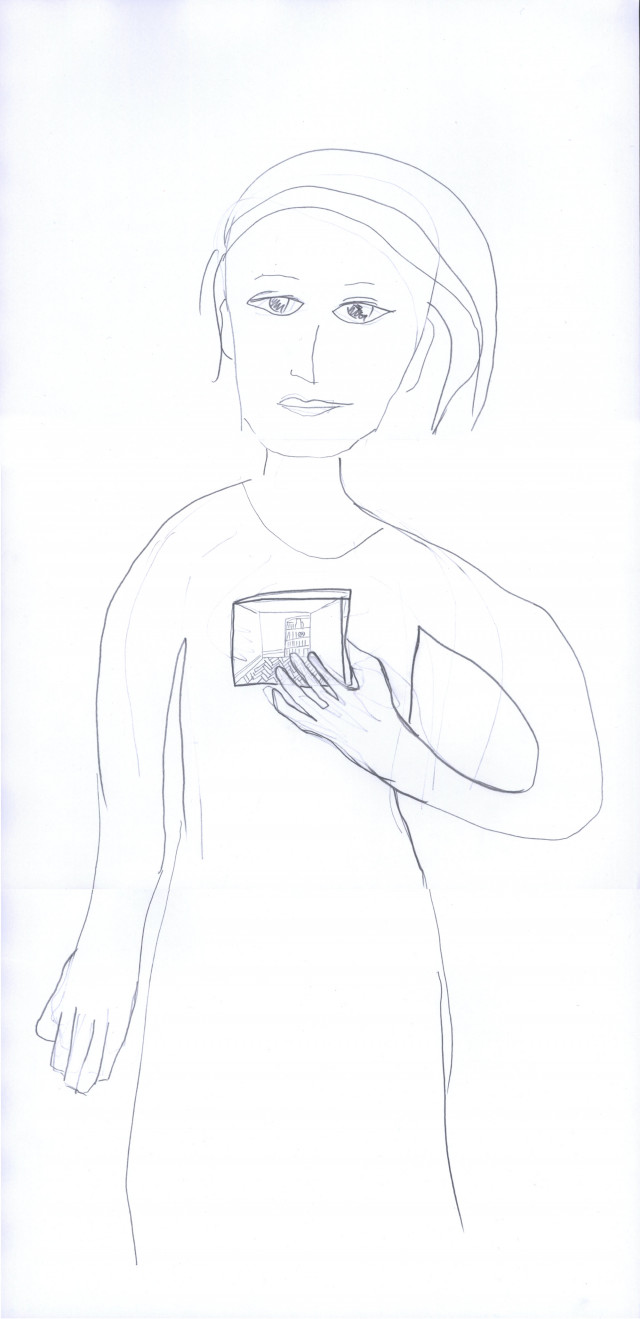
The girl in the house.